





Ovarian Cancer Treatment in Ahmedabad
Expert Medical Oncology Care for Ovarian Cancer at Every Stage
What is Ovarian Cancer?
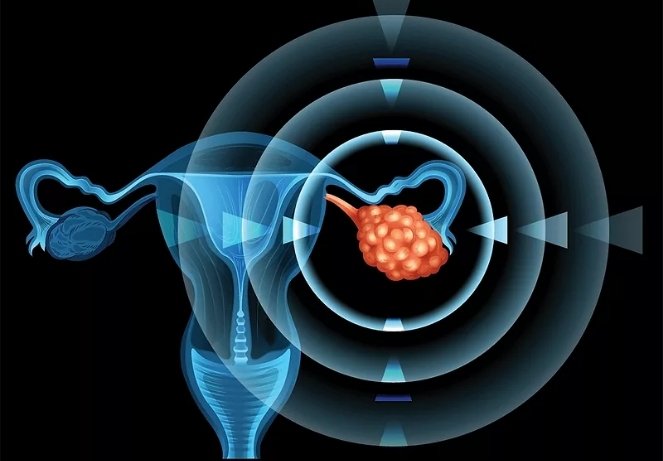
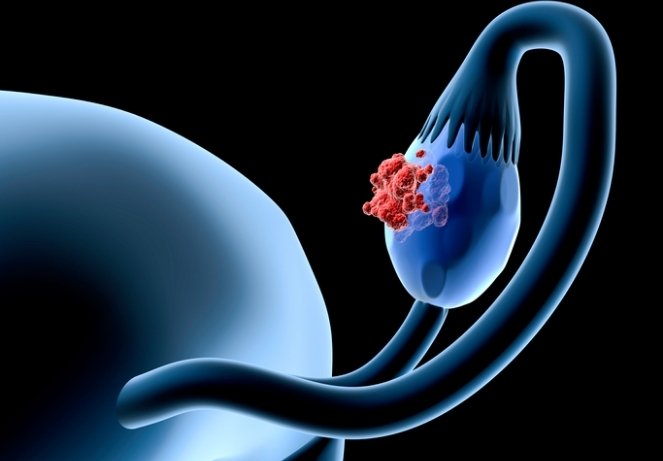
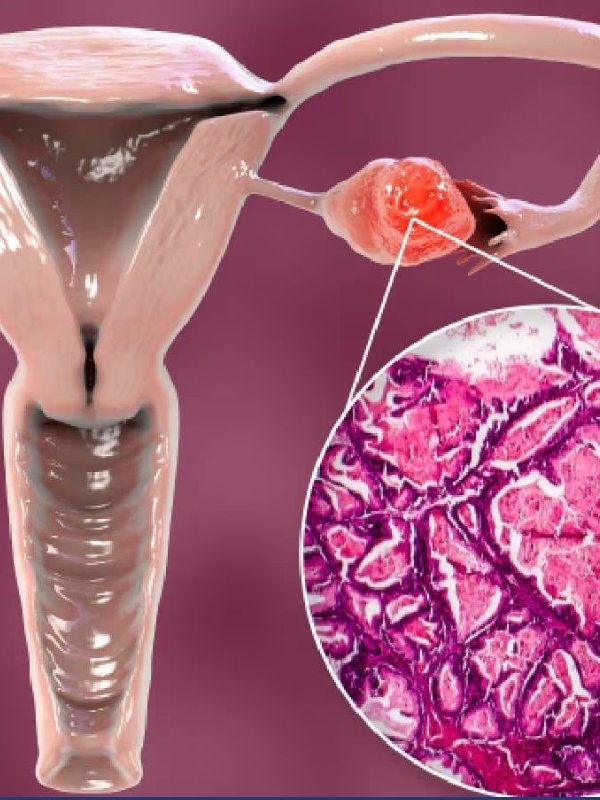
Ovarian cancer is a type of cancer that develops in the ovaries, which are part of the female reproductive system. The disease may not cause obvious symptoms in its early stages, and symptoms such as bloating, abdominal discomfort, changes in bowel habits, or urinary problems can sometimes be mistaken for common digestive or urinary conditions. As a result, ovarian cancer may be diagnosed only after it has progressed.
Dr. Manasi Shah is a Senior Consultant – Medical Oncology & Hematology with advanced oncology training in the United States and American Board Certification in Medical Oncology. She provides evidence-based medical oncology care for women with ovarian cancer, with treatment decisions guided by the characteristics of each cancer and the individual needs of every patient. Whether you have recently been diagnosed, have undergone surgery, or wish to seek a second opinion, every cancer journey begins with a careful evaluation of your condition.
When Should You Meet a Medical Oncologist?
Many women believe they only need to meet a Medical Oncologist after surgery has been completed. In reality, early consultation can help clarify the diagnosis, explain the role of systemic therapy, and ensure that treatment planning begins with a complete understanding of the disease. You should consider consulting a Medical Oncologist if:
- You have recently been diagnosed with ovarian cancer.
- Imaging or biopsy suggests a suspicious ovarian mass.
- Surgery has been advised and you wish to understand whether chemotherapy will be required.
- Chemotherapy or targeted therapy has been recommended.
- Your cancer has returned after previous treatment.
- You are seeking a second opinion before beginning treatment.
- You have a strong family history of ovarian or breast cancer and would like to understand hereditary cancer risk.
The early symptoms of ovarian cancer are often subtle and easily mistaken for common digestive or urinary problems. Consulting a Medical Oncologist soon after diagnosis or when ovarian cancer is suspected helps ensure timely evaluation, accurate staging, and a clear understanding of the available treatment options. Early specialist involvement also supports better treatment planning and coordinated care throughout your cancer journey.
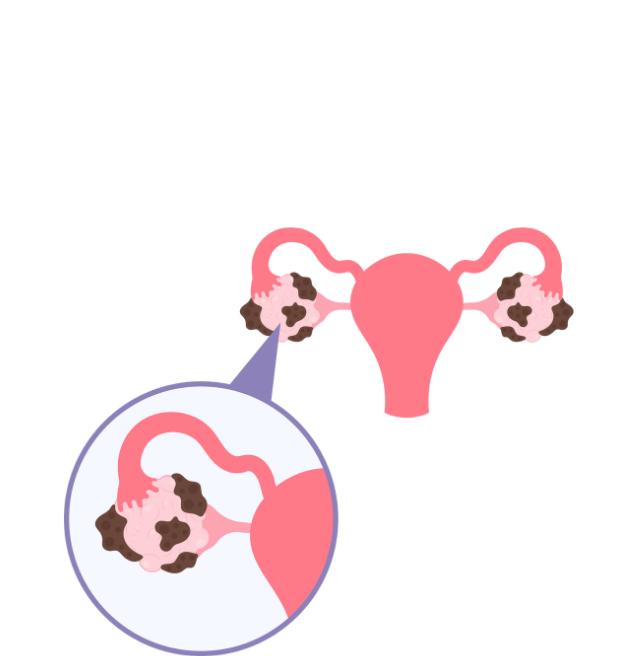
Ovarian cancer develops when abnormal cells in the ovaries begin to grow uncontrollably, forming a tumour that may spread to nearby tissues or other parts of the abdomen. Because early ovarian cancer often causes few or nonspecific symptoms, awareness and timely medical evaluation are important.
Treatment depends on several factors, including the type and stage of the disease, tumour grade, genetic profile, and overall health. Depending on the diagnosis, treatment may include surgery, chemotherapy, targeted therapy, maintenance therapy, immunotherapy, or a combination of these approaches.
How Dr. Manasi Shah Plans Your Treatment
No two ovarian cancers are exactly alike. Before recommending treatment, Dr. Manasi Shah carefully evaluates several clinical factors to develop a treatment plan based on the type of cancer, its stage, tumour biology, and your overall health.

Cancer Type
The specific type of ovarian cancer helps determine the most appropriate treatment strategy.

Stage of Disease
The extent of disease influences the sequence, intensity, and goals of treatment.
Tumour Biology
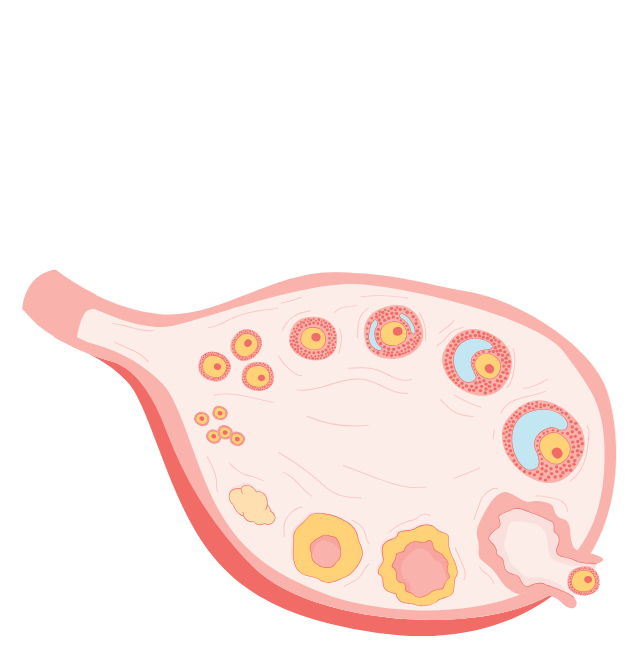
Pathology findings and tumour characteristics help guide evidence-based treatment decisions.

Overall Health
General health and existing medical conditions are considered before starting therapy.

Genetic Findings
BRCA and other genetic mutations may influence targeted treatment options.
Previous Treatments
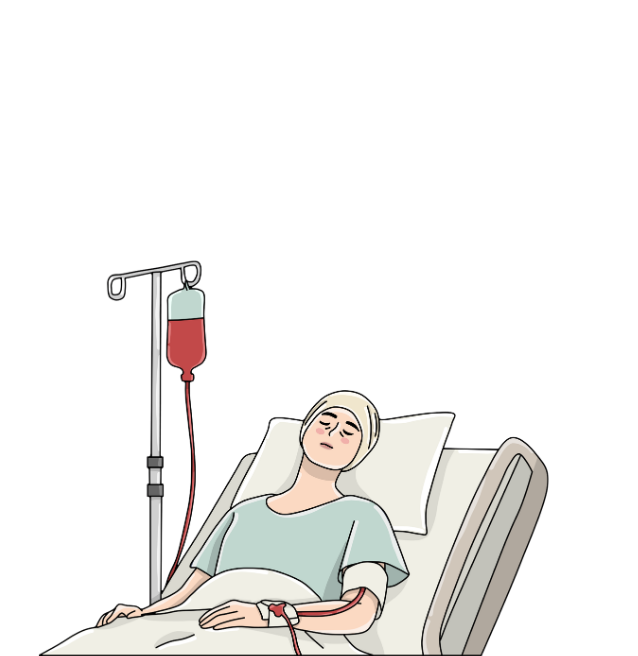
Earlier surgery or chemotherapy is reviewed before planning further treatment.

Treatment Goals
Recommendations are based on disease control, symptom relief, and long-term outcomes.

Response to Therapy
Treatment may be adjusted according to how the cancer responds during follow-up.

There's More Than One Way to Treat Ovarian Cancer
Ovarian cancer treatment often combines different therapies rather than relying on a single approach. The right treatment depends on the stage of the disease, tumour biology, genetic findings, and your overall health, with each therapy playing an important role in your care.
Primary Surgery
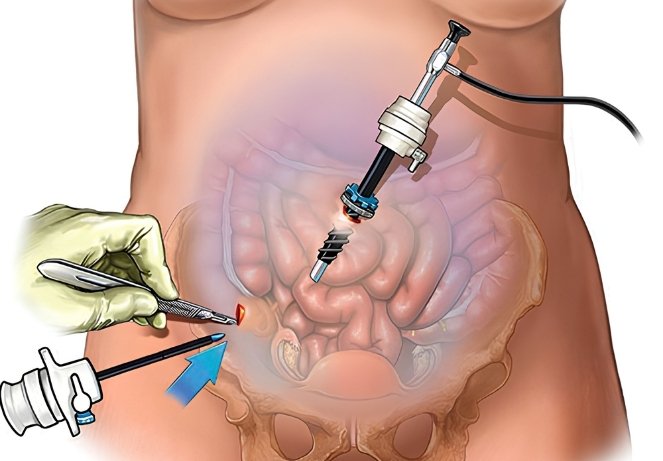
When appropriate, surgery is performed to remove as much of the cancer as safely possible before additional treatment.
Chemotherapy
Anti-cancer medicines help destroy cancer cells, reduce tumour burden, and lower the risk of recurrence.
Maintenance Therapy
After successful initial treatment, maintenance medicines may help delay disease recurrence in selected patients.
Targeted Therapy
These medicines focus on specific molecular changes within cancer cells to improve treatment outcomes in eligible patients.
Immunotherapy
Certain ovarian cancers may benefit from immunotherapy when supported by tumour biology and current treatment guidelines.
Clinical Monitoring
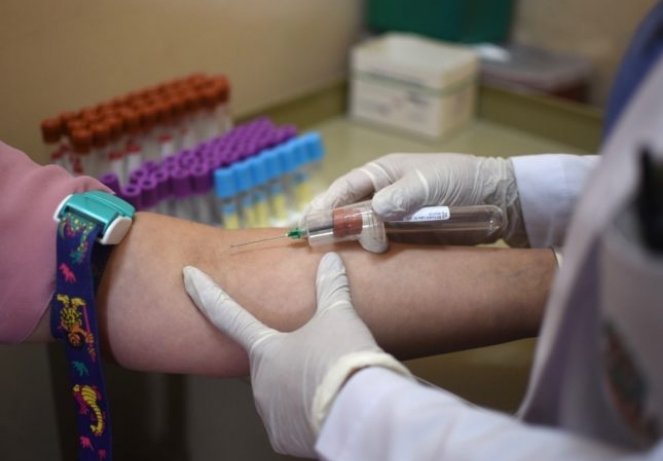
Regular blood tests, imaging, and clinical reviews help assess treatment response and guide ongoing care.
Precision Oncology
Molecular profiling and genetic testing help identify therapies based on the unique characteristics of the tumour.
Long-Term Follow-up
Continued surveillance helps monitor recovery, detect recurrence early, and manage long-term health after treatment.
The Specialist Guiding Your Ovarian Cancer Care
Treating ovarian cancer requires more than selecting chemotherapy. It involves understanding tumour biology, interpreting pathology and genetic findings, coordinating care with gynecologic surgeons, and selecting systemic therapies supported by current scientific evidence.
Dr. Manasi Shah, a Senior Consultant, Medical Oncology & Hematology with advanced oncology training in the United States, completed her residency at Yale School of Medicine, followed by Fellowship training in Hematology & Medical Oncology at the University of Connecticut, along with Bone Marrow Transplant training at Memorial Sloan Kettering Cancer Center, New York. Her expertise includes the medical management of ovarian cancer across different stages of the disease, using chemotherapy, targeted therapy, maintenance therapy, immunotherapy where appropriate, and precision oncology.
Call Us:
Here's What to Expect
Every ovarian cancer journey is different, but the path to treatment begins with a clear understanding of your diagnosis. From your first consultation to long-term follow-up, every step is carefully planned to support timely treatment and informed decision-making.

Detailed Evaluation
Your journey begins with a detailed consultation, clinical examination, imaging studies, blood investigations, and biopsy when required. These findings help confirm the diagnosis, determine the stage of the disease, and guide treatment planning.

Treatment Planning & Care
Based on your reports, tumour biology, genetic findings, and overall health, the most appropriate treatment approach is recommended. This may include surgery, chemotherapy, targeted therapy, maintenance treatment, or a combination of therapies.

Recovery & Long-Term Follow-up
Regular follow-up visits, blood tests, imaging, and clinical assessments help monitor recovery, evaluate treatment response, detect recurrence when necessary, and support your long-term health.

Why Patients Trust Our Cancer Care
Successful ovarian cancer treatment depends on accurate evaluation, thoughtful planning, and coordinated care throughout every stage of treatment. Every recommendation is guided by clinical evidence, multidisciplinary collaboration, and ongoing follow-up to support the best possible outcomes.

Accurate Ovarian Cancer Evaluation
Every treatment begins with a detailed review of symptoms, imaging, pathology, and staging to understand the extent and behaviour of the disease.

Treatment Based on Disease Stage
Treatment recommendations are guided by the stage of cancer, tumour biology, genetic findings, and your overall health before therapy begins.

Coordinated Surgical Planning
Medical oncology care is closely coordinated with gynecologic oncologists to determine the right sequence of surgery and systemic treatment.

Structured Follow-up After Treatment
Regular clinical reviews, blood tests, and imaging help monitor recovery, evaluate treatment response, and detect recurrence whenever necessary.

Frequently Asked Questions For Ovarian Cancer
Why is ovarian cancer often diagnosed late?
Ovarian cancer symptoms, bloating, pelvic pain, changes in appetite, or urinary urgency — are subtle and often mistaken for common digestive or urinary issues. There is also no standardized screening test for the general population, which means many cases are diagnosed only after the disease has progressed.
What are the early warning signs of ovarian cancer?
Persistent bloating, pelvic or abdominal pain, feeling full quickly while eating, and frequent urination lasting more than two to three weeks are the symptoms most associated with ovarian cancer. These signs are easy to dismiss, which is why persistence and frequency matter more than severity.
Is there a screening test for ovarian cancer?
Unlike cervical cancer, there is no reliable standardized screening test for ovarian cancer in women at average risk. Blood tests (such as CA-125) and ultrasound may be used for women with symptoms or high genetic risk, but are not recommended as routine screening for everyone.
What age group is most at risk for ovarian cancer?
Ovarian cancer risk increases with age and is most commonly diagnosed in women over 50, particularly after menopause. However, women with BRCA mutations or a strong family history can be at increased risk at a younger age.
What is maintenance therapy for ovarian cancer?
Maintenance therapy is medication given after successful initial treatment to help delay disease recurrence, particularly in patients with specific genetic markers such as BRCA mutations. It is not appropriate for every patient and is recommended based on individual tumour biology and treatment response.
Schedule Your Consultation Today
Whether you have recently been diagnosed, are planning treatment after surgery, require chemotherapy, or wish to seek a second opinion, Dr. Manasi Shah will carefully review your medical history, pathology reports, imaging findings, blood investigations, and previous treatments before discussing the most appropriate treatment options for your condition.