





Gynecologic Cancer Treatment in Ahmedabad

Comprehensive Medical Oncology Care for Women’s Cancers

Understanding Gynecologic Cancer Begins with Understanding the Disease

A diagnosis of a gynecologic cancer can be overwhelming, bringing with it questions about treatment, recovery, and what lies ahead. Whether the cancer affects the ovaries, cervix, uterus, or vulva, every woman’s journey is different and deserves a careful, evidence-based approach. Understanding the exact type of cancer, its stage, and its biological characteristics is the foundation of making informed treatment decisions.

Dr. Manasi Shah is a Senior Consultant – Medical Oncology & Hematology with advanced oncology training in the United States and American Board Certification in Medical Oncology.  Whether you have recently been diagnosed, have undergone surgery, require additional treatment, have recurrent disease, or wish to seek a second opinion, every treatment journey begins with a thorough evaluation of your condition before any recommendation is made.

When Should You Meet a Medical Oncologist?

Many women first meet a Medical Oncologist after receiving a biopsy report or following surgery. An early consultation helps explain the diagnosis, review pathology findings, and determine whether chemotherapy, hormone therapy, immunotherapy, targeted therapy, or other systemic treatments will be part of the treatment plan. You should consider consulting a Medical Oncologist if:

Why Early Consultation Matters

Many gynecologic cancers can be treated more effectively when diagnosed early. Symptoms such as abnormal bleeding, persistent bloating, pelvic pain, unusual vaginal discharge, or changes affecting the vulva should never be ignored. Consulting a Medical Oncologist soon after diagnosis or when cancer is suspected helps ensure timely staging, accurate treatment planning, and a clear understanding of the therapies that may be recommended. Early specialist involvement also supports coordinated care with gynecologic oncology, radiation oncology, radiology, and pathology teams whenever required.

Every Gynecology Cancer Needs a Different Plan

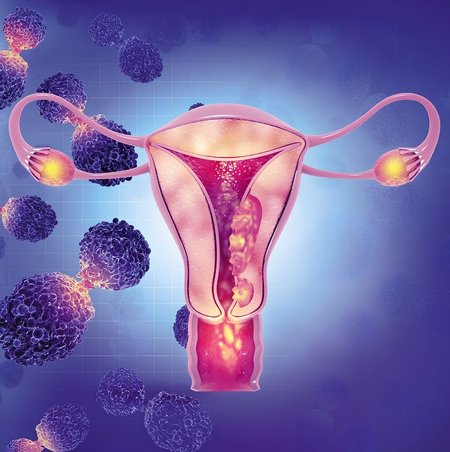
Gynecologic cancers are cancers that develop in the female reproductive organs, including the ovaries, cervix, uterus, vulva, and less commonly, the vagina or fallopian tubes. Although these cancers affect different parts of the reproductive system, each has its own pattern of development, symptoms, and treatment approach.

Some gynecologic cancers, such as uterine cancer, often present with early warning signs like abnormal bleeding. Others, including ovarian cancer, may develop silently and remain unnoticed until the disease has progressed. Cervical cancer can often be detected early through regular screening, while vulvar cancer may begin with persistent skin changes or non-healing sores.

How Dr. Manasi Shah Plans Your Treatment

Every gynecologic cancer is unique. Before recommending treatment, Dr. Manasi Shah carefully reviews several clinical factors to understand the nature of the disease and determine the most appropriate treatment approach. The goal is to recommend therapies that are supported by clinical evidence and suited to the type of cancer, its stage, and your overall health.

Different Cancers. Different Treatment Approaches.

Understanding the Different Types of Gynecologic Cancers

Gynecologic cancers can develop in different parts of the female reproductive system, and each type has its own symptoms, pattern of spread, and treatment approach. An accurate diagnosis is essential because treatment depends on the type of cancer, its stage, pathology findings, and several other clinical factors.

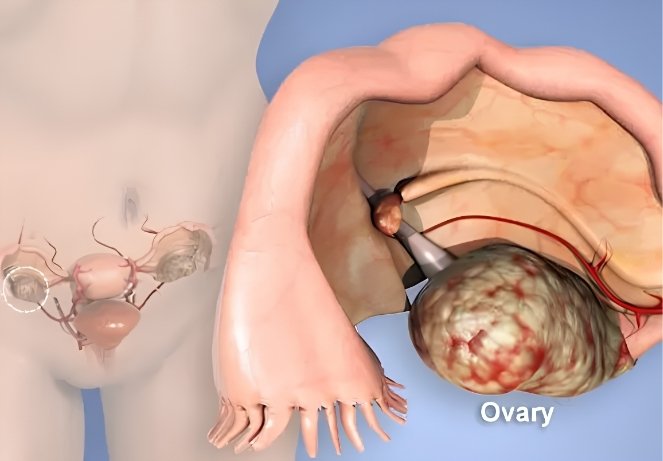
Ovarian cancer often develops with subtle symptoms and may remain undetected until the disease has progressed. Depending on the diagnosis, treatment may include surgery, chemotherapy, targeted therapy, immunotherapy, or maintenance treatment based on tumour biology and disease stage.

Cervical cancer begins in the cervix and is commonly associated with persistent Human Papillomavirus (HPV) infection. Treatment may involve surgery, chemotherapy, radiation therapy, immunotherapy, or a combination of these approaches depending on the stage of the disease.

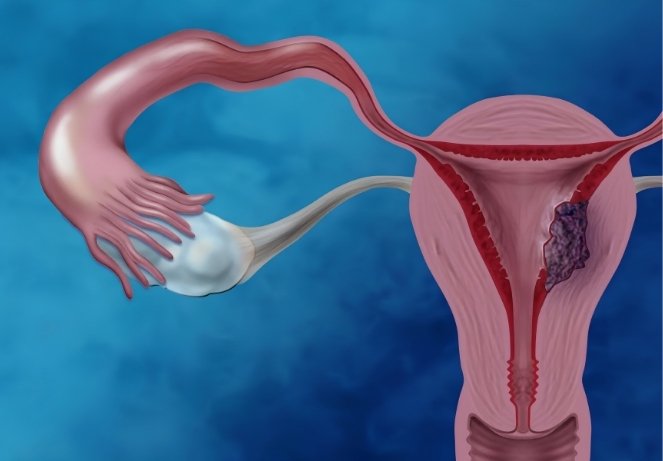
Uterine cancer usually develops from the inner lining of the uterus and commonly presents with abnormal uterine bleeding. Treatment recommendations are based on tumour grade, stage, molecular findings, and recurrence risk, and may include surgery, chemotherapy, hormone therapy, immunotherapy, or targeted therapy.

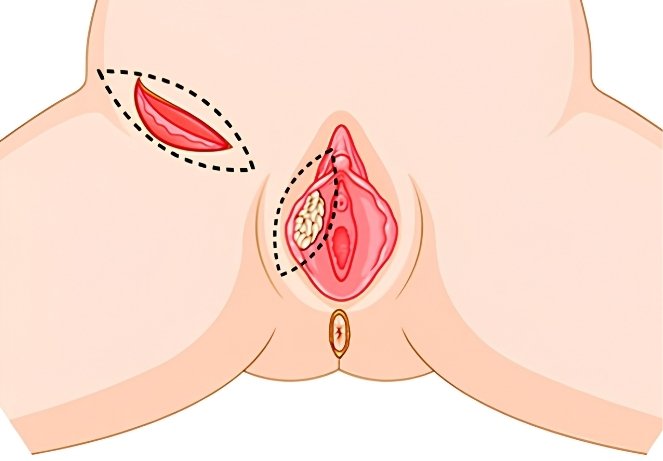
Vulvar cancer affects the external female genital area and may present with persistent itching, skin changes, lumps, or non-healing sores. Treatment depends on the extent of disease and may involve surgery, radiation therapy, chemotherapy, immunotherapy, or combined treatment.

The Specialist Guiding Your Ovarian Cancer Care

The treatment of gynecologic cancers requires a detailed understanding of tumour biology, pathology findings, disease stage, and the role of systemic therapies throughout the course of treatment. Medical oncology plays an important role in supporting women before surgery, after surgery, during radiation therapy, and in the management of recurrent or advanced disease.

Dr. Manasi Shah is a Senior Consultant – Medical Oncology & Hematology with advanced oncology training in the United States. Her expertise includes the medical management of ovarian cancer, cervical cancer, uterine cancer, and vulvar cancer using chemotherapy, hormone therapy, immunotherapy, targeted therapy, and precision oncology where appropriate. She has also served as a Principal Investigator in multiple international clinical trials and continues to apply evidence-based treatment strategies in everyday clinical practice.

Prioritize Your Joint Health with an expert Orthopedic Surgeon in Ahmedabad.

Here's What to Expect

Every gynecologic cancer journey is different, but treatment always begins with a clear understanding of your diagnosis. From your first consultation to long-term follow-up, every stage is carefully planned to support informed decisions and timely care.

Detailed Evaluation

Your journey begins with a detailed consultation, clinical examination, biopsy review, imaging studies, and blood investigations. These findings help confirm the diagnosis, determine the stage of the disease, and guide treatment planning.

Treatment Planning & Care

Based on your pathology reports, tumour characteristics, disease stage, and overall health, the most appropriate treatment plan is recommended. Depending on your diagnosis, this may include surgery, chemotherapy, hormone therapy, immunotherapy, targeted therapy, radiation therapy, or a combination of these treatments.

Recovery & Long-Term Follow-up

Regular follow-up visits, clinical examinations, imaging, and ongoing assessments help monitor recovery, evaluate treatment response, detect recurrence when necessary, and support your long-term health.

Why Patients Trust Our Cancer Care

The treatment of gynecologic cancers often involves more than one specialty. Accurate diagnosis, careful staging, evidence-based systemic therapy, and regular follow-up all contribute to achieving the most appropriate outcomes. Every recommendation is based on clinical findings, multidisciplinary discussion, and established oncology guidelines.

Accurate Ovarian Cancer Evaluation

Every treatment begins with a detailed review of biopsy findings, imaging, pathology, and staging to understand the disease completely.

Treatment Guided by Cancer Type

Recommendations are based on the specific gynecologic cancer, disease stage, tumour biology, and individual clinical findings.

Coordinated Surgical Planning

Medical oncology care is closely coordinated with gynecologic oncologists to determine the most appropriate treatment sequence.

Structured Follow-up After Treatment

Regular clinical examinations, imaging, and ongoing reviews help monitor recovery and detect recurrence as early as possible.

Addressing Common Concerns

Not always. Treatment depends on the type of gynecologic cancer, its stage, pathology findings, and your overall health. Some women require surgery alone, while others may benefit from chemotherapy, radiation therapy, hormone therapy, immunotherapy, targeted therapy, or a combination of these treatments.

Not necessarily. Some patients meet a Medical Oncologist before surgery to discuss the treatment plan, while others are referred after surgery to determine whether additional therapy is recommended based on pathology findings.

Treatment recommendations are based on several factors, including the type of cancer, disease stage, tumour biology, molecular test results, previous treatments, and your overall health. Every recommendation is made only after a thorough clinical evaluation.

Yes. Although many women respond well to treatment, recurrence is possible in some cases. Regular follow-up appointments help identify any signs of recurrence early and allow timely intervention when required.

Yes. A second opinion can help you better understand your diagnosis, review pathology and imaging findings, and discuss all available treatment options before beginning treatment.

Please bring your biopsy and pathology reports, imaging studies, surgery records (if applicable), blood investigations, previous treatment records, and a list of current medications for a comprehensive evaluation.

Schedule Your Consultation Today

During your consultation, Dr. Manasi Shah will carefully review your biopsy and pathology reports, imaging findings, surgical records, molecular test results, previous treatments, and overall health before discussing the most appropriate treatment approach. You will have the opportunity to ask questions, understand the purpose of each recommended therapy, and gain clarity about what to expect during treatment and follow-up. Let’s review your diagnosis, discuss your treatment options, and plan the next steps in your gynecologic cancer care.

Scroll to Top