



Vulvar Cancer Treatment in Ahmedabad

Expert Medical Oncology Care for Vulvar Cancer at Every Stage

Understanding Vulvar Cancer Begins with Understanding the Disease

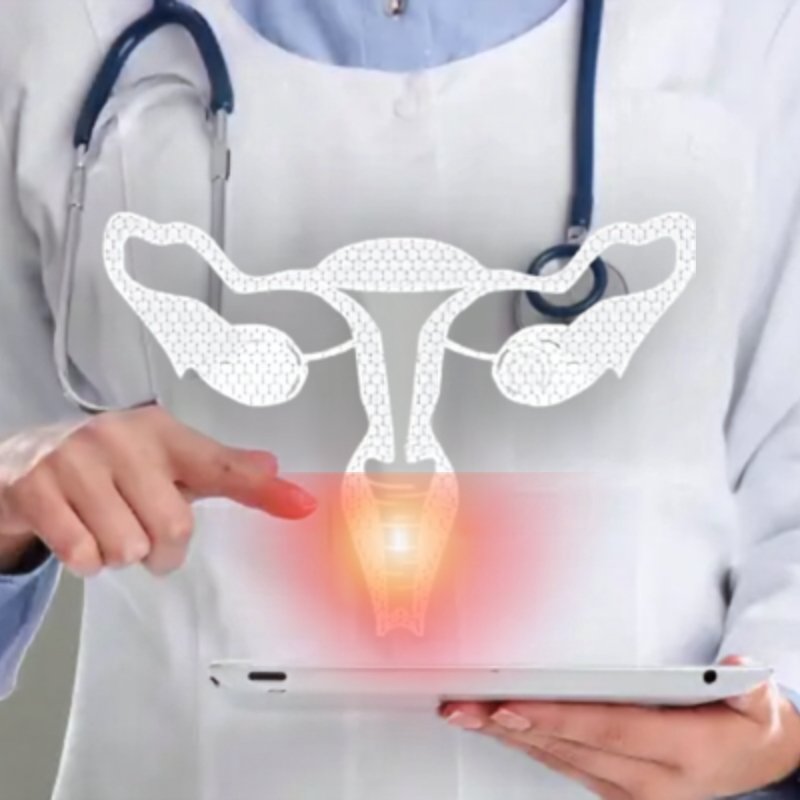
Vulvar cancer is an uncommon gynecologic cancer that develops in the external female genital area, known as the vulva. Because the symptoms often resemble common skin conditions or infections, many women delay seeking medical attention until the disease has progressed. Early evaluation of persistent changes can help identify the condition sooner and improve treatment planning.

Dr. Manasi Shah is a Senior Consultant – Medical Oncology & Hematology with advanced oncology training in the United States and American Board Certification in Medical Oncology.  Whether you have recently been diagnosed, have undergone surgery, require additional treatment, have recurrent disease, or wish to seek a second opinion, every treatment journey begins with a thorough understanding of your condition.

When Should You Meet a Medical Oncologist?

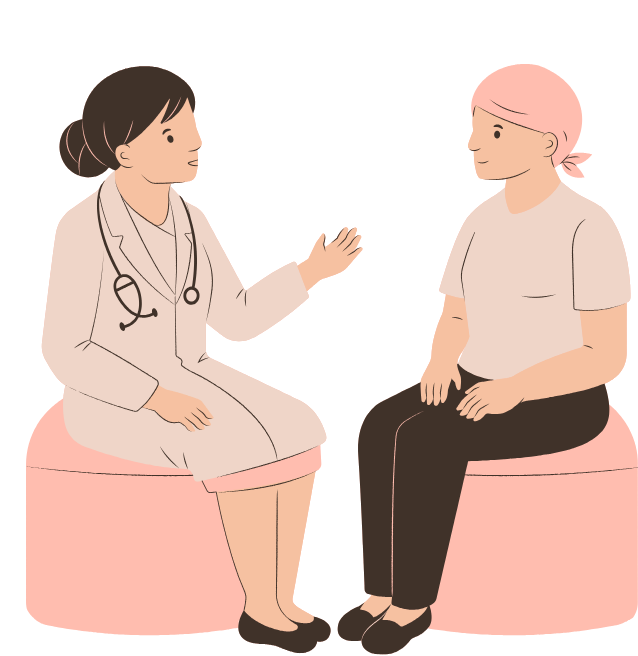
Many women first meet a Medical Oncologist after surgery or once biopsy results confirm vulvar cancer. Early consultation helps explain the diagnosis, review pathology findings, and determine whether additional systemic treatment may be beneficial. You should consider consulting a Medical Oncologist if:

Why Early Consultation Matters

Persistent itching, non-healing sores, or unusual skin changes affecting the vulva are often mistaken for infections or common skin conditions. Delaying evaluation can allow the disease to progress before treatment begins. Consulting a Medical Oncologist soon after diagnosis or when vulvar cancer is suspected helps ensure accurate staging, timely treatment planning, and coordination with gynecologic and radiation oncology teams whenever additional therapy is required.

Understanding Vulvar Cancer Starts with Early Recognition

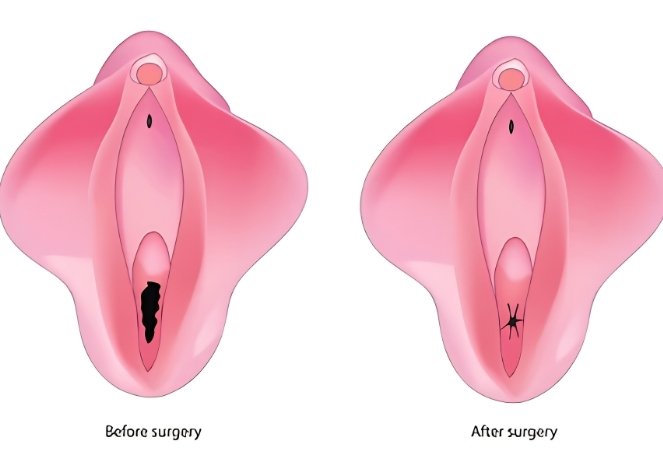
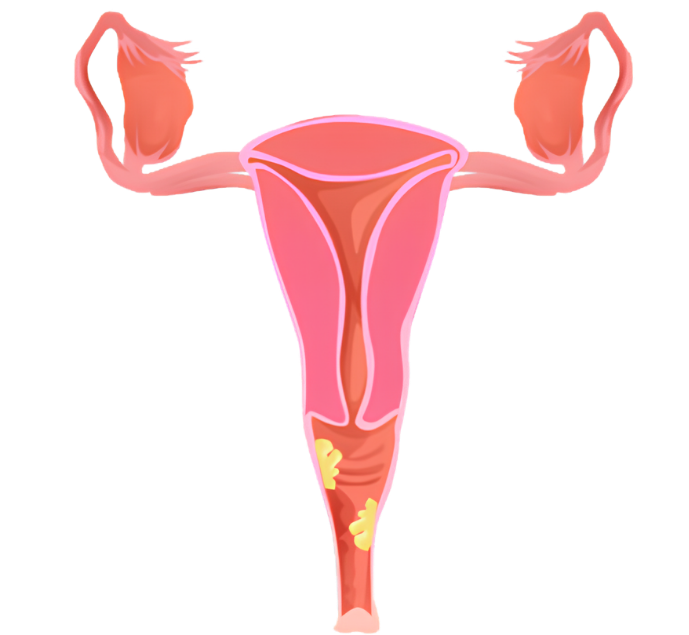
Vulvar cancer develops in the tissues of the vulva, which includes the external female genital organs. The most common type is squamous cell carcinoma, although other less common forms can also occur. The disease often develops gradually and may begin as precancerous changes in the skin before becoming invasive cancer. 

Treatment depends on several factors, including the size and location of the tumour, lymph node involvement, stage of the disease, pathology findings, and overall health. Depending on the diagnosis, treatment may include surgery, radiation therapy, chemotherapy, immunotherapy, or a combination of these approaches.

How Dr. Manasi Shah Plans Your Treatment

No two vulvar cancers are exactly alike. Before recommending treatment, Dr. Manasi Shah carefully evaluates several clinical factors to develop a treatment plan based on the stage of the disease, tumour characteristics, lymph node involvement, and your overall health.

Understanding Your Treatment Options

Finding the Right Treatment for Vulvar Cancer

Vulvar cancer treatment often combines different therapies depending on the stage of the disease, tumour size, lymph node involvement, and overall health. Each treatment has a specific role in controlling the disease while helping preserve function whenever possible.

Primary Surgery

Surgery is often the first treatment to remove the tumour while preserving as much healthy tissue as possible.

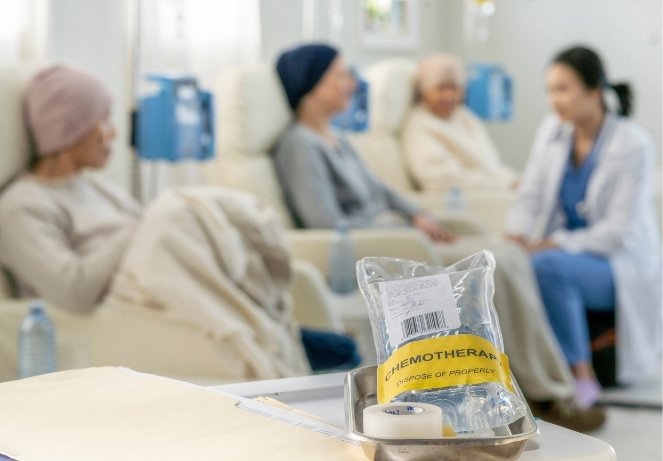
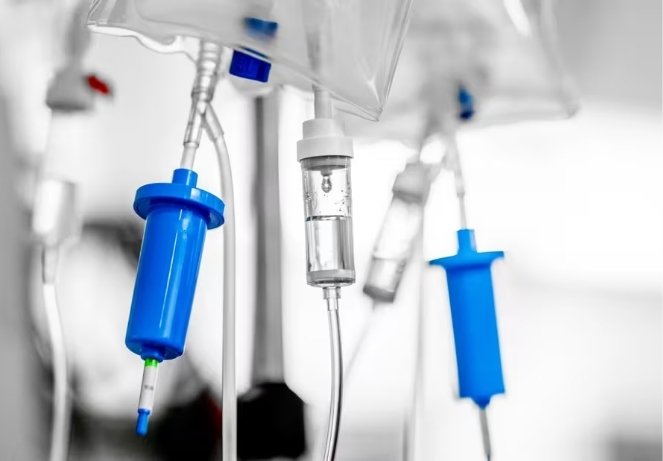
Chemotherapy

Anti-cancer medicines may be recommended before, during, or after other treatments in selected patients.

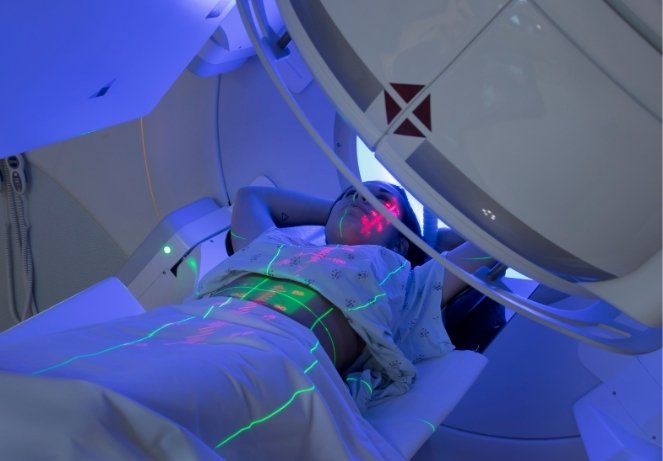
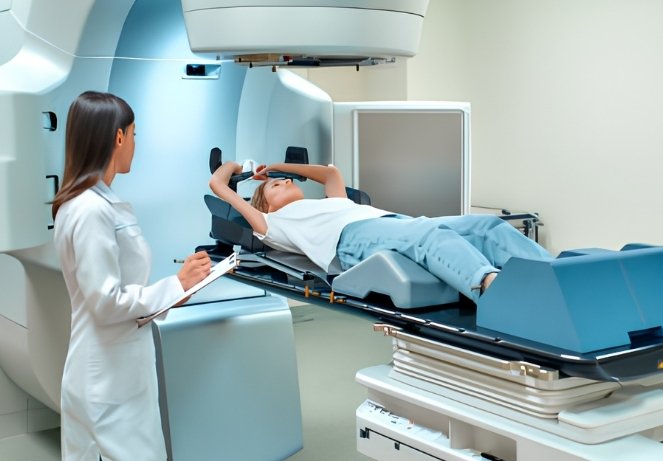
Radiation Therapy

Radiation therapy may be used to treat the tumour, reduce recurrence risk, or manage advanced disease.

Chemoradiation

Chemotherapy may be combined with radiation therapy to improve treatment effectiveness in selected cases.

Immunotherapy

Immunotherapy may be considered for advanced or recurrent vulvar cancer when clinically appropriate.

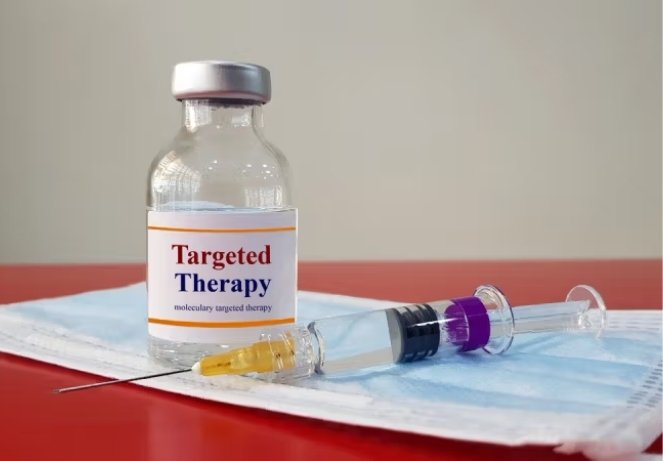
Targeted Therapy

Certain patients may benefit from targeted medicines based on tumour biology and clinical indications.

Systemic Therapy

When cancer has spread or returns after treatment, systemic therapy helps treat disease throughout the body.

Long-Term Follow-up

Regular examinations and imaging help monitor recovery and detect recurrence at the earliest stage.

The Specialist Guiding Your Vulvar Cancer Care

The treatment of vulvar cancer often requires close collaboration between medical oncology, gynecologic oncology, radiation oncology, and pathology specialists. Systemic therapy plays an important role in selected patients with advanced, recurrent, or lymph node-positive disease, and treatment decisions are guided by careful clinical evaluation and current oncology evidence.

Dr. Manasi Shah is a Senior Consultant – Medical Oncology & Hematology with advanced oncology training in the United States. Her expertise includes the medical management of vulvar cancer using chemotherapy, immunotherapy, targeted therapy where appropriate, and systemic treatment for recurrent or advanced disease. She has also served as a Principal Investigator in international clinical trials and continues to apply evidence-based oncology practices in everyday patient care.

Prioritize Your Joint Health with an expert Orthopedic Surgeon in Ahmedabad.

Here's What to Expect

Every vulvar cancer journey is different, but treatment always begins with a clear understanding of the diagnosis. From your first consultation to long-term follow-up, every step is carefully planned to support informed decisions and timely treatment.

Detailed Evaluation

Your journey begins with a detailed consultation, clinical examination, biopsy review, imaging studies, and blood investigations. These findings help confirm the diagnosis, determine the stage of the disease, and guide treatment planning.

Treatment Planning & Care

Based on your pathology reports, tumour stage, lymph node involvement, and overall health, the most appropriate treatment plan is recommended. Depending on your diagnosis, this may include surgery, chemotherapy, radiation therapy, immunotherapy, or a combination of these treatments.

Recovery & Long-Term Follow-up

Regular follow-up visits, clinical examinations, imaging, and ongoing assessments help monitor recovery, evaluate treatment response, detect recurrence when necessary, and support your long-term health.

Why Patients Trust Our Cancer Care

Successful vulvar cancer treatment requires accurate diagnosis, careful staging, and close collaboration between multiple cancer specialists. Every treatment recommendation is guided by clinical findings, evidence-based protocols, and regular assessment throughout each stage of care.

Accurate Vulvar Cancer Evaluation

Every treatment begins with a detailed review of biopsy findings, imaging, pathology, and staging to understand the disease completely.

Treatment Based on Disease Stage

Recommendations are guided by tumour size, lymph node involvement, overall health, and current oncology guidelines.

Coordinated Surgical Planning

Medical oncology care is closely coordinated with gynecologic oncologists to determine the most appropriate treatment sequence.

Structured Follow-up After Treatment

Regular clinical examinations, imaging, and ongoing reviews help monitor recovery and detect recurrence as early as possible.

Addressing Common Concerns

Not always. Many women with early-stage vulvar cancer are treated with surgery alone. Chemotherapy may be recommended when the disease is advanced, involves nearby lymph nodes, or is combined with radiation therapy.

Surgery is often the primary treatment for localized vulvar cancer. However, some patients with advanced disease may receive chemotherapy, radiation therapy, or chemoradiation before or instead of surgery, depending on their individual condition.

The nearby lymph nodes are one of the most important factors in vulvar cancer treatment. Their involvement helps determine the stage of the disease and whether additional treatments such as chemotherapy or radiation therapy are required.

Immunotherapy is not suitable for every patient. It may be considered in selected cases of recurrent or advanced vulvar cancer based on tumour characteristics and current treatment guidelines.

The follow-up schedule depends on the stage of the disease and the treatment received. Regular examinations and imaging help monitor recovery and evaluate your long-term health.

The duration of treatment varies depending on the stage of the disease and the therapies recommended. Chemotherapy is usually given over several cycles, while targeted or maintenance therapy may continue for a longer period based on your response and treatment goals.

Schedule Your Consultation Today

During your consultation, Dr. Manasi Shah will carefully review your biopsy and pathology reports, imaging findings, surgical records, lymph node assessment, previous treatments, and overall health before discussing the most appropriate treatment approach. You will have the opportunity to ask questions, understand the purpose of each recommended therapy, and gain clarity about what to expect during treatment and follow-up. Let’s review your diagnosis, discuss your treatment options, and plan the next steps in your vulvar cancer care.
Scroll to Top