






Breast Cancer Treatment in Ahmedabad

Expert Medical Oncology Care for Every Stage of Breast Cancer

What is Breast Cancer?

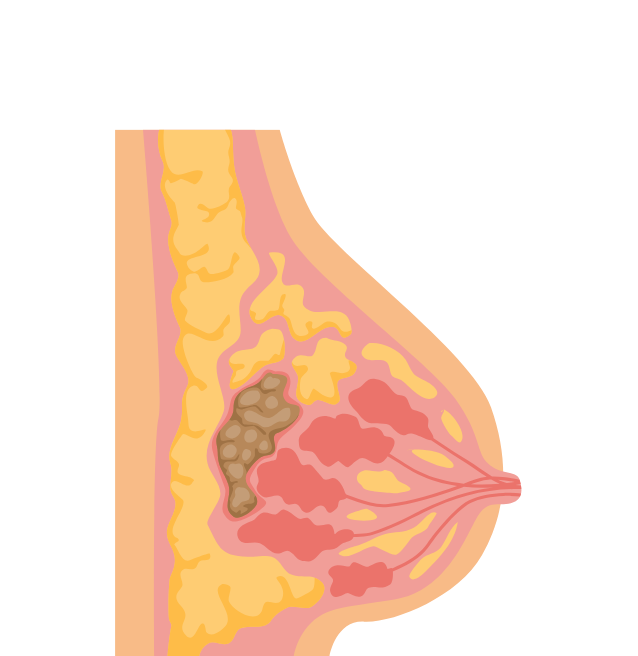
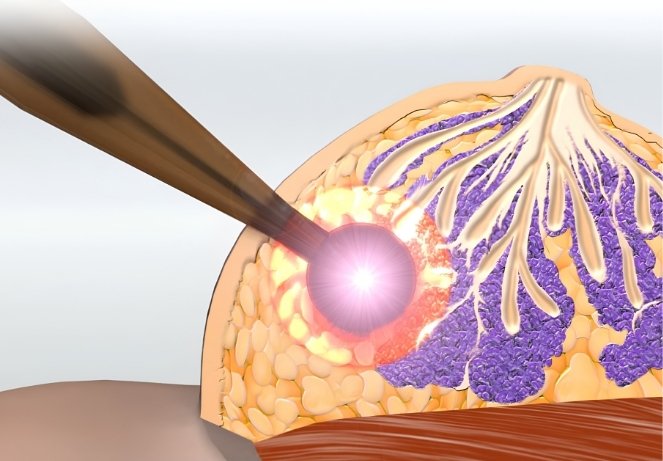
Breast cancer is a condition in which abnormal cells in the breast grow and multiply in an uncontrolled way, forming a tumor that may remain within the breast or spread to other parts of the body. It can affect women of different ages, and each breast cancer can behave differently depending on its type and tumor biology.

A breast cancer diagnosis can be overwhelming, bringing with it many questions about the condition, its progression, and what to expect next. Understanding the type of breast cancer and the characteristics of the tumor is an important first step in making informed medical decisions.

Dr. Manasi Shah is a Senior Consultant – Medical Oncology & Hematology with advanced oncology training in the United States and American Board Certification in Medical Oncology. She specializes in the medical management of breast cancer, with care guided by the biology of each tumor and the individual needs of every patient.

When Is It Time to Consult a Medical Oncologist?

Many patients believe they only need to meet a Medical Oncologist after surgery or when chemotherapy has already been recommended. In reality, consulting a specialist early in the treatment journey can help clarify your diagnosis, explain the available treatment options, and support informed decision-making.

You should consider consulting a Medical Oncologist if:

Why Early Consultation Matters

Early evaluation can make a significant difference in breast cancer treatment. Consulting a specialist as soon as you notice a breast lump, abnormal imaging findings, nipple changes, or other concerning symptoms allows timely diagnosis and helps determine the most appropriate treatment before the disease progresses. Even if you’ve already been diagnosed elsewhere, an early consultation provides an opportunity to review your reports, understand your treatment options, and make informed decisions about the next steps in your care.

Every Breast Cancer Needs a Different Plan

One of the most important advances in modern breast cancer care is the understanding that no single treatment works for every patient. Two women with the same diagnosis may require entirely different treatment approaches because their cancers behave differently.

Before recommending treatment, Dr. Manasi Shah carefully evaluates multiple clinical and biological factors to determine the most appropriate course of action. The objective is to recommend the treatment that offers the greatest benefit while balancing effectiveness, safety, and long-term outcomes.

How Dr. Manasi Shah Recommends the Right Treatment

No two breast cancers are exactly alike. Before recommending any treatment, Dr. Manasi Shah carefully evaluates several clinical factors to develop a treatment plan based on the type of cancer, its biology, and your overall health.

Breast Cancer Treatment by Stage and Type

A Range of Treatments for Every Stage

Breast cancer treatment often involves more than one type of therapy. Depending on the stage and biology of the disease, treatment may be given before surgery, after surgery, or as the primary treatment for advanced breast cancer.

Active Surveillance

For selected high-risk or non-cancerous breast conditions, regular monitoring and imaging may be advised before active treatment becomes necessary.

Chemotherapy

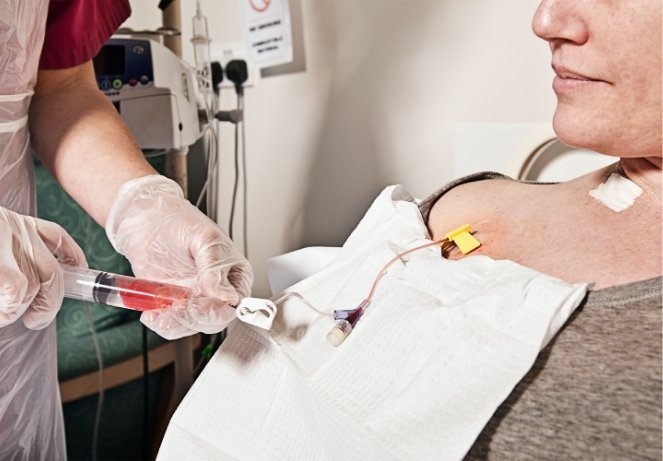
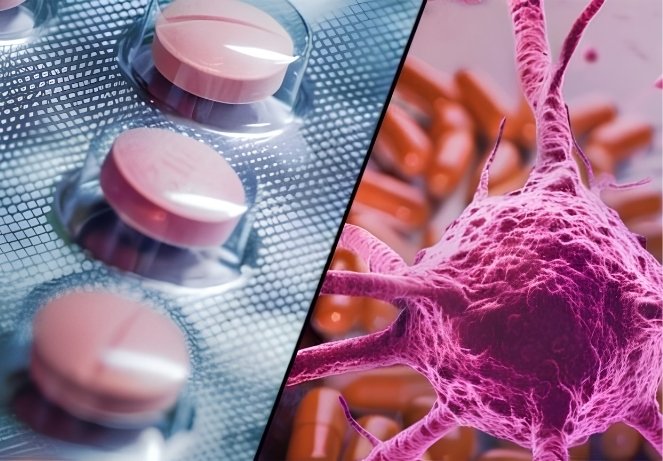
Anti-cancer medicines are used to destroy rapidly dividing cancer cells and reduce the risk of disease progression or recurrence.

Hormone Therapy

Hormone-blocking medicines help slow or stop the growth of hormone receptor-positive breast cancers.

Targeted Therapy

These medicines act on specific proteins within cancer cells, offering treatment based on the tumour’s biological characteristics.

Immunotherapy

Immunotherapy strengthens the body’s immune system to recognize and attack cancer cells in selected patients.

Breast Surgery

Surgery removes the cancer while preserving as much healthy breast tissue as possible whenever appropriate.

Precision Oncology

Molecular profiling and biomarker testing help identify treatments suited to the tumour’s unique characteristics.

Follow-up Care

Regular reviews, imaging, and clinical assessments help monitor recovery and detect recurrence at the earliest opportunity.

The Specialist Guiding Your Breast Cancer Care

Dr. Manasi Shah is a Senior Consultant – Medical Oncology & Hematology with advanced oncology training in the United States. She completed her residency at Yale School of Medicine, followed by Fellowship training in Hematology & Medical Oncology at the University of Connecticut, and Bone Marrow Transplant training at Memorial Sloan Kettering Cancer Center, New York.

Her clinical practice focuses on the medical management of breast cancer across every stage of the disease. She has also served as a Principal Investigator in multiple national and international breast cancer clinical trials evaluating targeted therapies, endocrine therapy, antibody-drug conjugates, biosimilars, and emerging treatment strategies.

With experience in both academic medicine and clinical oncology, Dr. Manasi Shah works closely with breast surgeons, radiation oncologists, pathologists, and radiologists to ensure treatment decisions are based on comprehensive evaluation, multidisciplinary discussion, and current scientific evidence.

Senior Consultant – Medical Oncology & Hematology

Here's What to Expect

Every breast cancer journey is different, but the path to treatment begins with a clear understanding of your condition. From diagnosis to recovery, Dr. Manasi Shah guides every stage of your medical oncology care through careful evaluation, evidence-based treatment planning, and long-term follow-up.

Detailed Evaluation

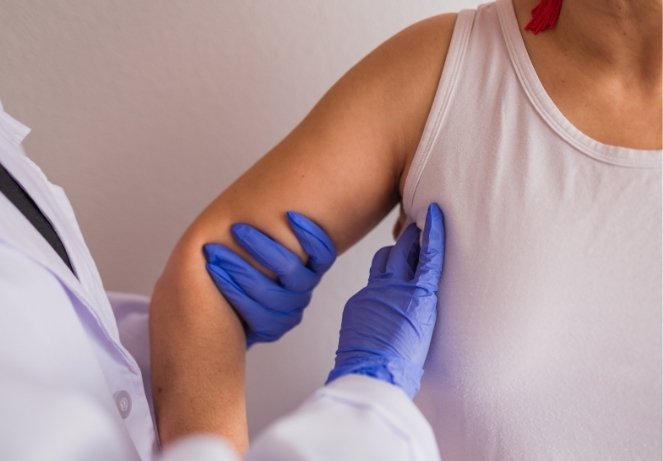
Your journey begins with a detailed consultation, clinical examination, breast imaging, and biopsy when required. These findings help confirm the diagnosis and determine the stage of the disease.

Treatment Planning & Care

Based on your reports and overall health, our team recommends the most appropriate treatment approach, which may include surgery, chemotherapy, or other therapies tailored to your condition.

Recovery & Long-Term Follow-up

After treatment, regular follow-up visits, clinical assessments, and ongoing support help monitor recovery, manage any concerns, and promote long-term breast health.

Why Patients Trust Our Cancer Care

Every decision in breast cancer treatment should be based on clinical evidence, careful evaluation, and a clear understanding of the individual patient. Rather than following a standard treatment pathway for everyone, the focus is on selecting the approach that offers the greatest benefit based on the biology of the tumour and the overall clinical picture.

Accurate Breast Cancer Evaluation

Every breast lump or abnormal imaging finding is carefully assessed through clinical examination, breast imaging, and biopsy when indicated to establish a clear diagnosis before treatment begins.

Treatment Based on Disease Stage

Treatment recommendations are guided by tumour size, lymph node involvement, receptor status, and overall health to determine whether surgery, chemotherapy, or combined treatment is appropriate.

Surgical Expertise for Breast Cancer

Our Surgical Oncology team performs breast cancer procedures with careful attention to disease clearance while considering breast conservation whenever it is medically suitable.

Structured Follow-up After Treatment

Regular clinical reviews and recommended imaging help monitor recovery, identify any new concerns early, and support long-term breast health after treatment.

Frequently Asked Questions For Breast Cancer​

The most common early signs are a new lump or thickening in the breast or underarm, changes in breast size or shape, skin dimpling, nipple discharge, or nipple inversion. Not all lumps are cancerous, but any new or unusual change should be evaluated promptly by a specialist rather than monitored on your own.

Not every patient requires chemotherapy. Depending on the cancer’s stage, subtype, and hormone receptor, treatment may instead involve hormone therapy, targeted therapy, or surgery alone.

Breast cancer risk increases with age, particularly after 40, though it can occur in younger women as well. Family history, genetic mutations, and certain lifestyle factors can also increase risk regardless of age, which is why any unusual symptom should be evaluated promptly.

Many breast cancers, especially when detected early, respond very well to treatment and can go into long-term remission. Outcomes depend on the cancer’s stage, subtype, and how it responds to therapy. Dr. Manasi Shah discusses realistic expectations for each patient based on their individual diagnosis. 

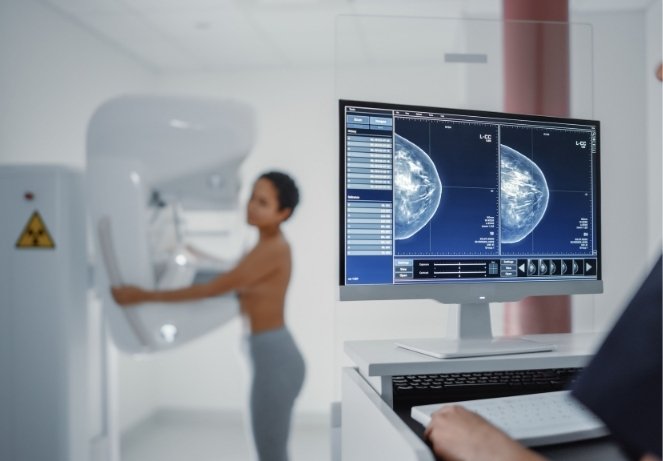
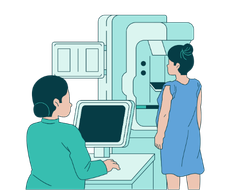
Breast cancer is diagnosed through a combination of clinical examination, imaging (mammogram, ultrasound, or MRI), and a biopsy to confirm the diagnosis. The biopsy also identifies the cancer’s subtype and biomarkers, for each patient  

Schedule Your Consultation Today

Whether you have recently been diagnosed, are planning treatment after surgery, require systemic therapy, or would like a second opinion, the consultation is an opportunity to gain clarity and discuss the most appropriate way forward based on your individual condition. Let’s review your diagnosis, discuss your treatment options, and plan the next steps in your breast cancer care.